
Maine's strict texting while driving (TWD) laws forbid using electronic devices for text messaging while operating a vehicle, with penalties up to $500 and license suspension for repeat offenders. Data shows distracted driving causes over 3,000 deaths annually nationwide. Enforcement campaigns like "Don't Text and Drive" are effective. To comply, drivers should avoid device use, opt for hands-free options, and report distracted drivers. Do Not Text Lawyers Maine recommends using apps like Drive Safe Mode to prevent TWD. Voice-activated systems and enhanced enforcement deter risky behavior, emphasizing that "every text can wait."
Texting while driving is a growing concern in Maine, with serious consequences for safety on the roads. The state has implemented strict laws to discourage this dangerous behavior, including fines for violating the maine texting laws. Do Not Text Lawyers Maine plays a crucial role in educating drivers and enforcing these regulations. This article delves into the details of these penalties, offering an authoritative guide for Maine residents to understand the risks and potential legal repercussions. By exploring the current landscape, we aim to empower folks to make safer choices on the road and avoid costly mistakes.
Maine Texting Laws: Violations & Penalties Explained

In Maine, violating texting laws can result in significant penalties, underscoring the state's commitment to road safety. The primary law, as outlined in 29 M.R.S. § 3054, prohibits drivers from sending or reading text messages while operating a vehicle. These laws are designed to prevent distracted driving, which is a leading cause of accidents. Violations can include fines ranging from $100 to $500, with increased penalties for subsequent offenses. For instance, a first-time offender might face a $150 fine, while subsequent violators could be fined up to $500 and have their license suspended.
The consequences become more severe when considering the potential impact on public safety. Data from the National Highway Traffic Safety Administration (NHTSA) reveals that distracted driving claims over 3,000 lives annually in the U.S., with numerous others suffering injuries. In Maine, law enforcement officials actively enforce these rules, particularly during targeted campaigns aimed at raising awareness and deterring violations. One such campaign, "Don't Text and Drive," has led to a notable decrease in texting-related accidents, underscoring the effectiveness of strict enforcement.
To avoid these penalties, it's crucial for drivers to follow simple guidelines: put away electronic devices while driving, or use voice commands or hands-free options. If you Do Not Text Lawyers Maine during this time, not only will you be adhering to the law but also ensuring your safety and that of others on the road. Remember, a few moments of delay can prevent a lifetime of regret. By prioritizing safe driving habits, Mainers can contribute to making their roads safer for everyone.
Do Not Text Lawyers Maine: Your Legal Rights & Obligations
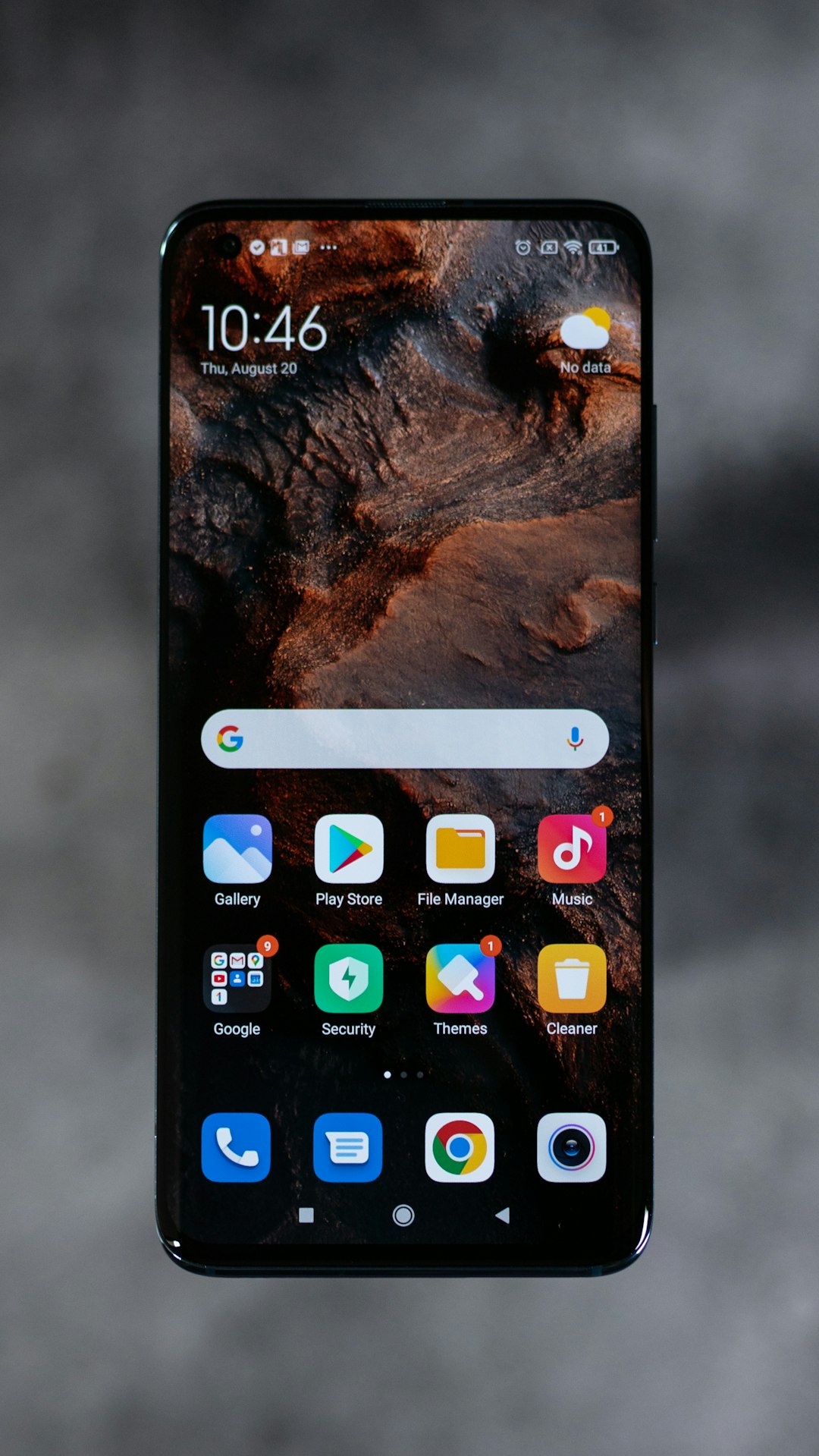
In Maine, texting while driving is a significant concern, leading to stringent laws to ensure road safety. One particular area of focus is preventing drivers from engaging in text messaging, emphasizing the Do Not Text Lawyers Maine initiative. These laws not only protect the public but also serve as a reminder that certain actions behind the wheel can have severe consequences. The penalties for violating these regulations are designed to be stringent, acting as a deterrent for distracted driving.
When it comes to legal obligations, Maine's laws clearly state that drivers must avoid text messaging or any use of electronic devices while operating a vehicle. This includes sending, reading, or even opening messages, eliminating the notion of briefly glancing at a phone as an acceptable practice. Law enforcement officers are authorized to pull over vehicles if they observe suspicious behavior indicative of texting and driving. Fines for such violations can range from $100 to $500, with potential additional penalties including license suspension or community service. For commercial drivers or repeat offenders, the consequences can be even more severe.
To uphold these regulations effectively, Maine's legal system encourages citizens to report instances of suspected distracted driving. By prioritizing road safety and holding drivers accountable, Do Not Text Lawyers Maine not only ensures legal compliance but also fosters a culture of responsible driving. Drivers are advised to familiarize themselves with the laws, understand their rights and obligations, and prioritize safety on the roads. This proactive approach promises to significantly reduce texting-related accidents, making Maine's roads safer for all users.
Safeguarding Roads: Fines & Strategies for Compliance

In Maine, violating texting while driving laws can result in significant fines, emphasizing the state's commitment to safeguarding roads. The penalties are designed not only to deter drivers from engaging in this risky behavior but also to promote public safety. Fines for text messaging while behind the wheel typically range from $100 to $500, with potential additional costs for court fees and surcharges. These fines can be particularly steep for repeat offenders, reaching up to $1,000. The Maine Department of Transportation reports that distracted driving, including texting, contributes to a substantial number of accidents annually, making it imperative for drivers to adhere to the state's laws.
To ensure compliance and avoid these penalties, Do Not Text Lawyers Maine advises drivers to adopt stringent measures. First and foremost, turning off your phone or placing it in airplane mode while driving is crucial. Activating apps that physically prevent text messaging, such as Drive Safe Mode or App Block, can be highly effective. Additionally, utilizing voice-activated systems for calls or messages, if equipped in your vehicle, allows hands-free operation, reducing the risk of distraction. Many states, including Maine, have implemented enhanced enforcement strategies, such as automated license plate readers and dedicated police units, to target distracted drivers, underscoring the seriousness with which these laws are taken.
Beyond fines, the long-term consequences of texting while driving can be severe. They include potential injury or death not only to the driver but also to passengers and other road users. Legal experts recommend that drivers cultivate a culture of responsibility, where personal safety and the well-being of others on the road are paramount. This shift in mindset is key to effective compliance with Maine's texting laws. Remembering that every text can wait, and prioritizing safe driving practices, can help reduce the number of accidents caused by distracted behavior.