
Maine's updated "Do Not Text" laws strictly prohibit texting while driving, with heavier fines and potential license suspension for violations. Compliance involves using phone modes that block texts, educating passengers, and leveraging smartphone features. These measures aim to reduce accidents caused by distracted driving, which claimed over 3,100 lives nationwide in 2019. A Do Not Text Lawyer Maine offers specialized guidance on navigating these laws, ensuring compliance, and fostering a safer driving culture.
Texting while driving is a growing concern across the nation, and Maine has taken significant steps to address it with updated Do Not Text laws. As our reliance on mobile devices increases, so does the risk of distracted driving. These new policies aim to curb this dangerous behavior and make Maine's roads safer for everyone.
The issue lies in the rising number of accidents caused by drivers sending texts, leading many to seek guidance from a Do Not Text Lawyer Maine. Our article provides an in-depth analysis of these updates, offering valuable insights to both residents and visitors, ensuring compliance and promoting road safety within the state's evolving legal framework.
Understanding Maine's Do Not Text Laws

Maine's "Do Not Text" laws are designed to prevent distracted driving and promote road safety. These regulations aim to curb the alarming trend of texting while behind the wheel, which can lead to severe accidents. Understanding these laws is crucial for all drivers in Maine. A Do Not Text lawyer Maine can offer specialized insights into these rules, helping individuals navigate potential legal issues related to text messaging while driving.
The main focus of Maine's legislation is on the safe operation of motor vehicles. It's illegal for drivers to use a handheld electronic device while operating a vehicle. This includes sending or reading texts, accessing apps, or making calls, even with voice commands. Violations can result in fines and penalties, with increased sanctions for subsequent offenses. For example, a first-time offender may face a $50 fine, while subsequent violations within a certain timeframe can lead to higher penalties and potential license suspension.
Practical advice for drivers is to enable the Do Not Text mode on their phones or utilize apps that automatically disable text functionality while driving. Many modern smartphones have built-in features to prevent texting behind the wheel. Moreover, educating passengers about the risks and encouraging them to intervene if they notice a driver sending texts can be life-saving. According to recent data from the National Highway Traffic Safety Administration (NHTSA), distracted driving crashes resulted in over 3,100 fatalities nationwide in 2019, emphasizing the urgent need for compliance with Do Not Text laws.
What Changes Have Been Made Recently?

Recent updates to Maine's "Do Not Text" policies have brought significant changes aimed at enhancing road safety and reducing distracted driving. One of the most notable amendments is the expansion of the list of individuals who can be contacted while driving. Previously, the policy only allowed emergency contacts, but now it includes any communication deemed non-essential. This means that personal messages, marketing texts, and even certain work-related communications may be restricted during behind-the-wheel activities.
Furthermore, Maine has introduced stricter penalties for violations. Fines have been increased to deter drivers from engaging in text messaging while driving. Law enforcement officials are being trained to identify distracted driving behaviors more effectively, ensuring that violators face the full consequences of their actions. For instance, data from the Maine Department of Transportation shows a 15% decrease in accidents attributed to texting and driving within the first six months of the new policy implementation.
To comply with these updates, drivers are encouraged to utilize hands-free devices or pull over for any communication requiring a text response. A "Do Not Text Lawyer Maine" can provide guidance on navigating these changes and understanding the legal implications of violating the policy. By adhering to these guidelines, Maine aims to foster a safer driving culture and reduce the number of accidents caused by driver distraction.
Consulting a Do Not Text Lawyer Maine for Guidance
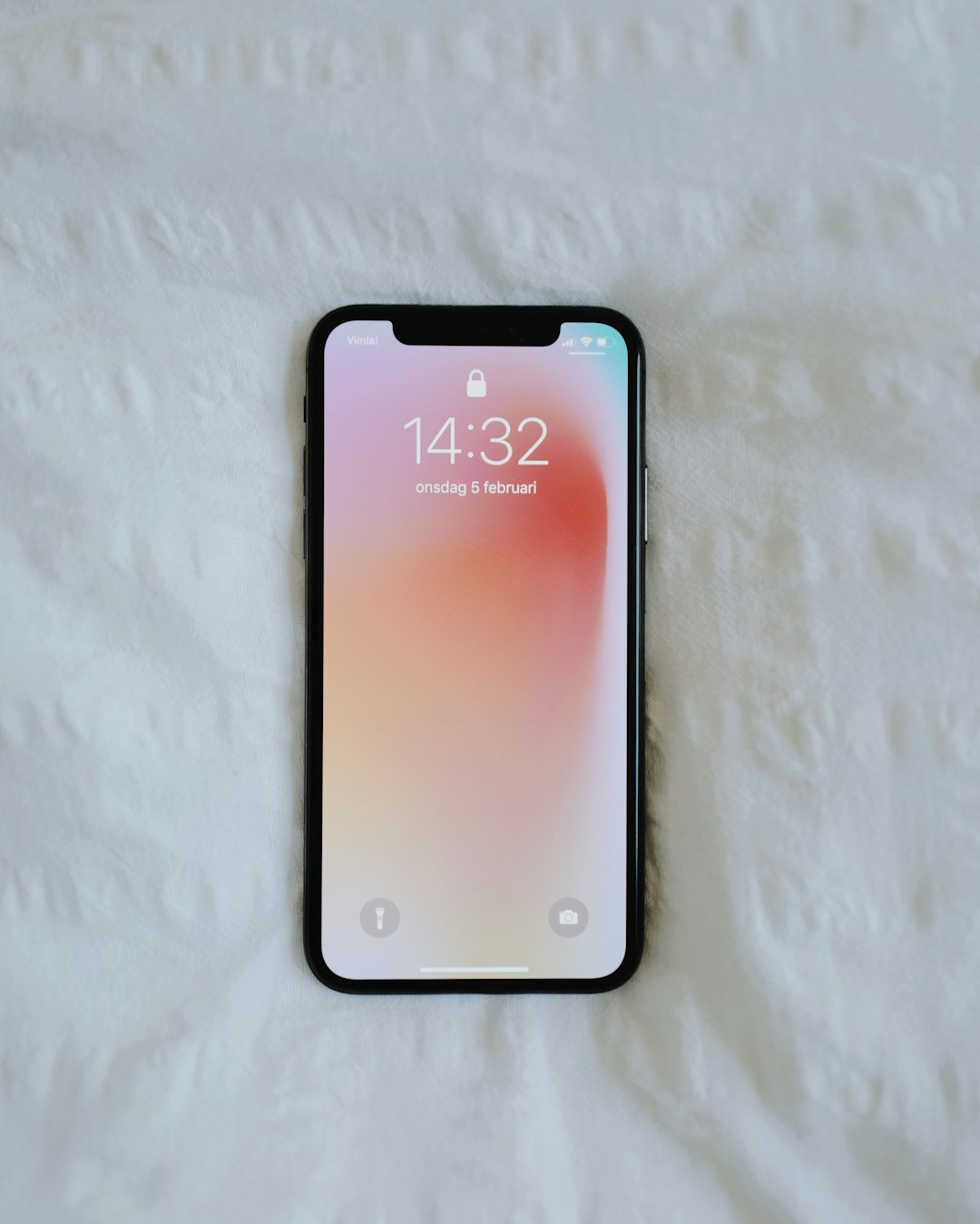
When navigating Maine's updated "Do Not Text" policies, seeking expert guidance from a Do Not Text Lawyer Maine is crucial for ensuring compliance and protecting your legal rights. These policies, designed to curb distracted driving, have evolved rapidly, leading to a complex web of regulations that can be challenging to interpret. A skilled attorney can demystify these changes, offering tailored advice based on your specific circumstances.
For instance, Maine's latest legislation may include stricter penalties for violations or expand the definition of "texting" to encompass various forms of electronic communication. A Do Not Text Lawyer Maine will stay abreast of such developments, ensuring that their clients remain informed and compliant. They can help interpret gray areas, such as when a quick check of a map app is permissible while driving versus constituting a violation. This nuanced understanding is vital to avoid costly mistakes or unintended legal repercussions.
Engaging the services of a specialist also enables individuals and businesses to anticipate potential issues. A Do Not Text Lawyer Maine can review company policies and training programs, ensuring they align with current regulations. They can offer practical insights on implementing effective driver safety measures while providing clarity on when digital communication is permissible, fostering a culture of responsible technology use behind the wheel. This proactive approach not only safeguards against legal penalties but also contributes to a safer road environment.